
Understanding Gambling Risks

Money goes in. Sometimes money comes back. Over enough rounds or bets, the platform’s margin takes its cut. That’s not a flaw in the system — it’s the system. Understanding this before the first deposit sets expectations correctly. Gambling is spending money on an experience that may or may not return some of it. Framing it any other way leads to decisions that cost more than they should.
Signs of Problem Gambling
A few patterns that show up when gambling shifts from recreation to something heavier:
- Spending more than was planned for the session — repeatedly, not just once in a while
- Going back to the platform specifically to win back money that was lost earlier
- Hiding gambling activity from family or friends — deleting notifications, covering up losses
- Borrowing money to fund gambling — from people, from credit cards, from savings earmarked for something else
- Feeling restless or irritable when not gambling — thinking about it during work, losing sleep over results
- Neglecting responsibilities because time and attention are being funnelled into betting
- Increasing bet sizes to chase the same rush that smaller amounts used to produce
- Continuing to play while knowing the financial damage is real and growing
Any one of these can happen to anyone on an off day. Several of them together, sustained across weeks, point to a pattern worth examining with outside help.
Practical Responsible Gambling Habits
Habits that keep sessions under control:
- Set a money limit before opening the app — an amount that could vanish entirely without affecting rent, groceries, or bills
- Set a time limit too — a phone alarm beats willpower every time
- Don’t gamble when angry, stressed, drunk, or trying to recover from a bad day
- Take breaks between sessions — daily play without interruption blurs the line between routine and compulsion
- Never borrow money to fund a session — once the budget is gone, the session is over
- Review monthly deposit totals periodically — the cumulative number often surprises people who only track individual sessions
- Talk about gambling activity with someone trusted — secrecy is a warning sign, not a privacy choice
Bankroll Management Basics
Decide the session budget before the first bet. Not during. Not after a win that makes the balance look generous. Before. The number should be small enough that losing it doesn’t change anything about the week ahead. Emotional bets — the ones placed in frustration after a loss or in excitement after a win — tend to be larger than planned bets. The budget exists to overrule those impulses.
Gambling and Age Restrictions
Every page on this site and every gambling-related service it describes is intended for adults only. The minimum age is 18, or higher in regions where local regulations set a higher bar. Underage users should not access gambling platforms, create accounts, or place bets.
Parents and guardians sharing devices with minors should consider enabling parental controls. Android and iOS both offer built-in tools to restrict access to specific apps and websites.
Self-Control and Gambling Awareness Tools
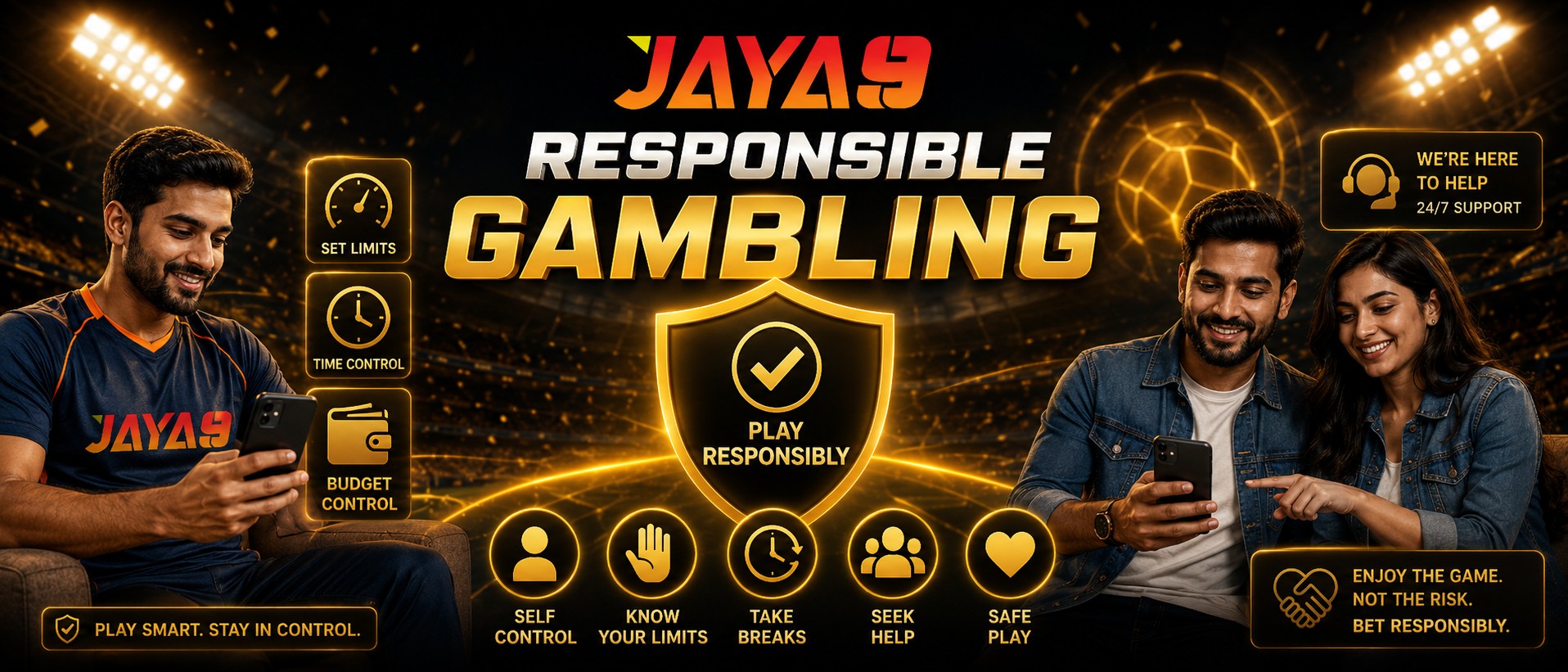
Gambling platforms may offer built-in tools for users who want to enforce their own limits:
Deposit limits restrict how much money can go in during a set period — daily, weekly, or monthly. Once the cap is reached, the cashier blocks further deposits until the next cycle.
Session reminders pop up after a set amount of playing time. A nudge to check the clock and decide whether to continue.
Cooling-off periods block access to the account temporarily — a day, a week, a month. The player can’t log in during that time.
Self-exclusion removes access for a longer stretch. Some platforms make this irreversible for the chosen duration.
Not every platform offers every tool. Availability depends on the platform version and regional settings. Setting up whatever tools are available during a calm moment — not during a session, not after a bad loss — means they’re active before the next pressured decision arrives.
External Support Organizations
When personal discipline and platform tools aren’t enough, professional support exists. Trained counsellors work with people experiencing gambling-related harm. Organisations like GamCare, Gambling Therapy, and Gamblers Anonymous offer confidential help through helplines, online chat, and local meetings.
These organisations operate independently of any gambling platform. Reaching out to them has no effect on a user’s account or standing on any betting site.
Informational Purpose of This Website
This site does not operate gambling services. Does not accept bets. Does not process deposits or withdrawals. Does not manage accounts. The content published here is informational — descriptions of platform features, promotional mechanics, and general guidance written for readers who want to understand what Jaya9 and similar platforms offer.
Any gambling activity takes place on third-party platforms under their own licences, terms, and regulatory frameworks.